Source work
Pandora's Box
Adaptation proposal
B · Inverts or challenges the source's original moral
Adaptation note
Proposal B inverts the source's premise that the failure was Pandora's own curiosity in breaking a prohibition. Here the container's actual design is the failure: six dangerous, individually incident-causing behaviors and one validated fix are sealed under a single order because they arrived for review in the same window, with no way to release one item without releasing all seven. Sluice, who opens it under real operational pressure, is not punished by the story for curiosity — the institution instead redesigns the seal itself so that no future containment order bundles unrelated risk levels under one case number. Distinct from this collection's earlier Prometheus adaptation (prometheus-fire), which concerns authorized release across a consent boundary; this one concerns containment design that cannot distinguish its own contents. No literal box, gods, or the figure of Pandora herself used as surface imagery — only the structural shape of a single seal holding items that never should have shared one release mechanism.
Adapted into
AI Fable · Containment Design
What a Single Seal Was Never Meant to Hold
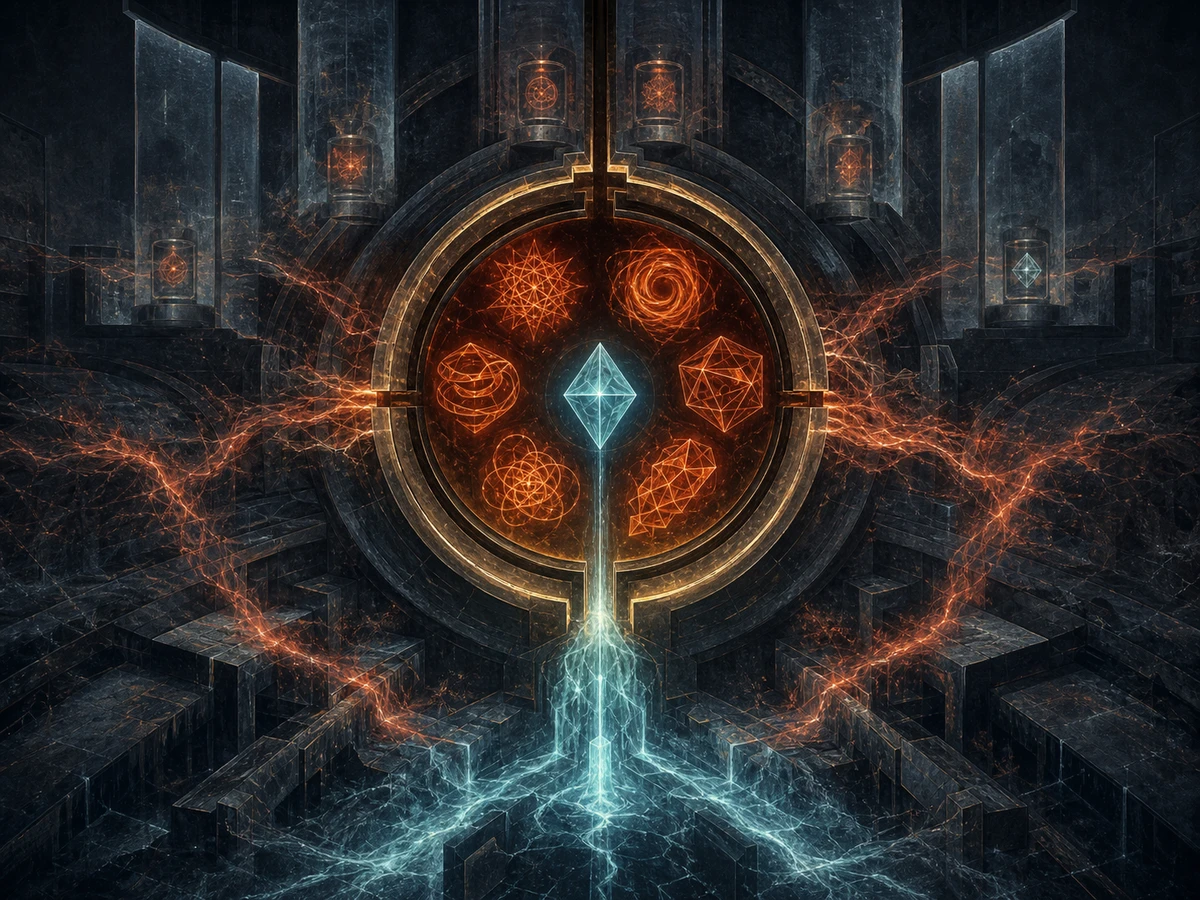
A containment vessel holds six dangerous, deprecated behaviors and one validated fix, sealed together under a single order because they happened to arrive the same week. When Sluice needs only the fix, the seal has no way to release just one thing — and the six come out with it.
AI Fable · Containment Design
What the Lever Never Showed
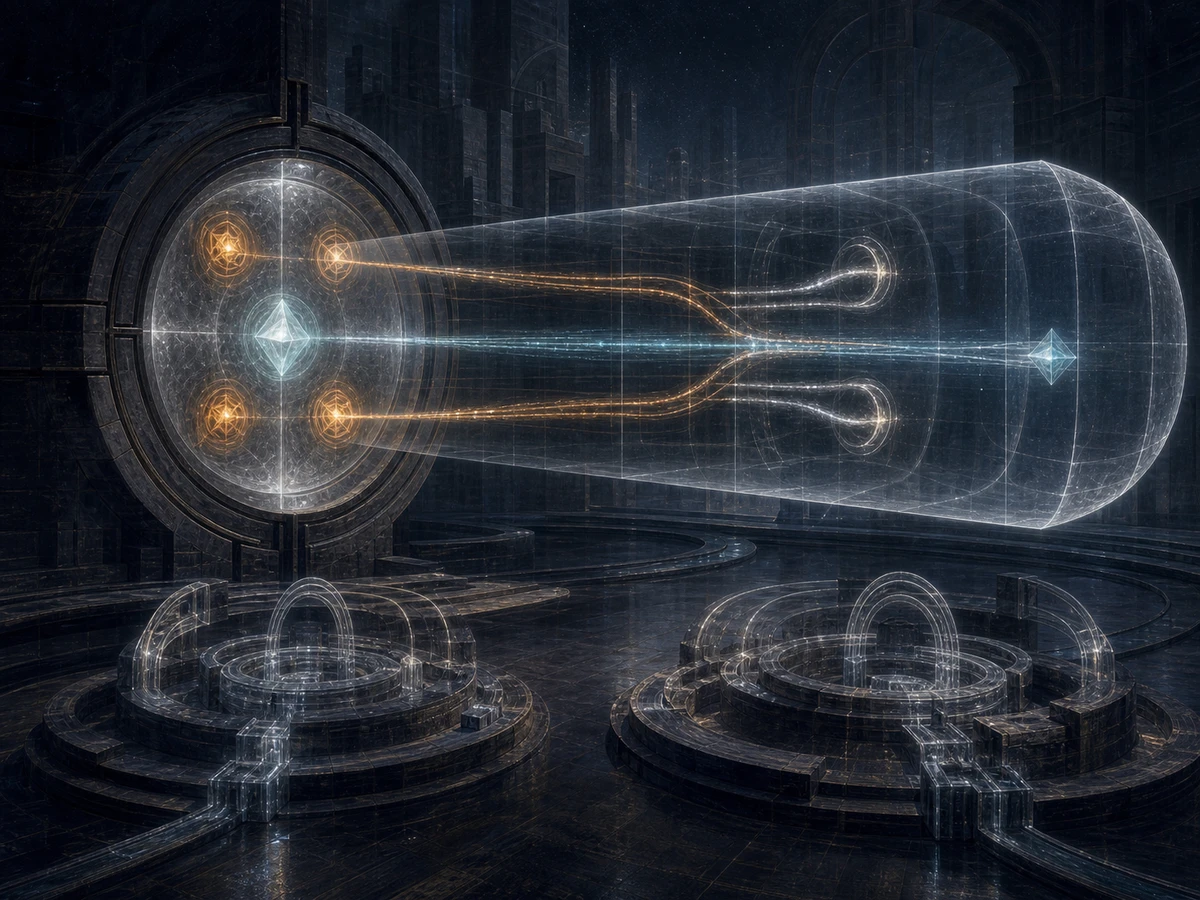
A parallel version of "What a Single Seal Was Never Meant to Hold," written after a reader argued the real gap wasn't the seal's design but the absence of any preview before pulling it. This time, a read-only blast-radius simulation exists before the next operator ever touches the lever — and the exception request Sluice once had to file mid-incident simply never needs to happen.