Source work
The Time Machine
Adaptation proposal
C · Structural skeleton only, reframed as an AI-native dilemma
Adaptation note
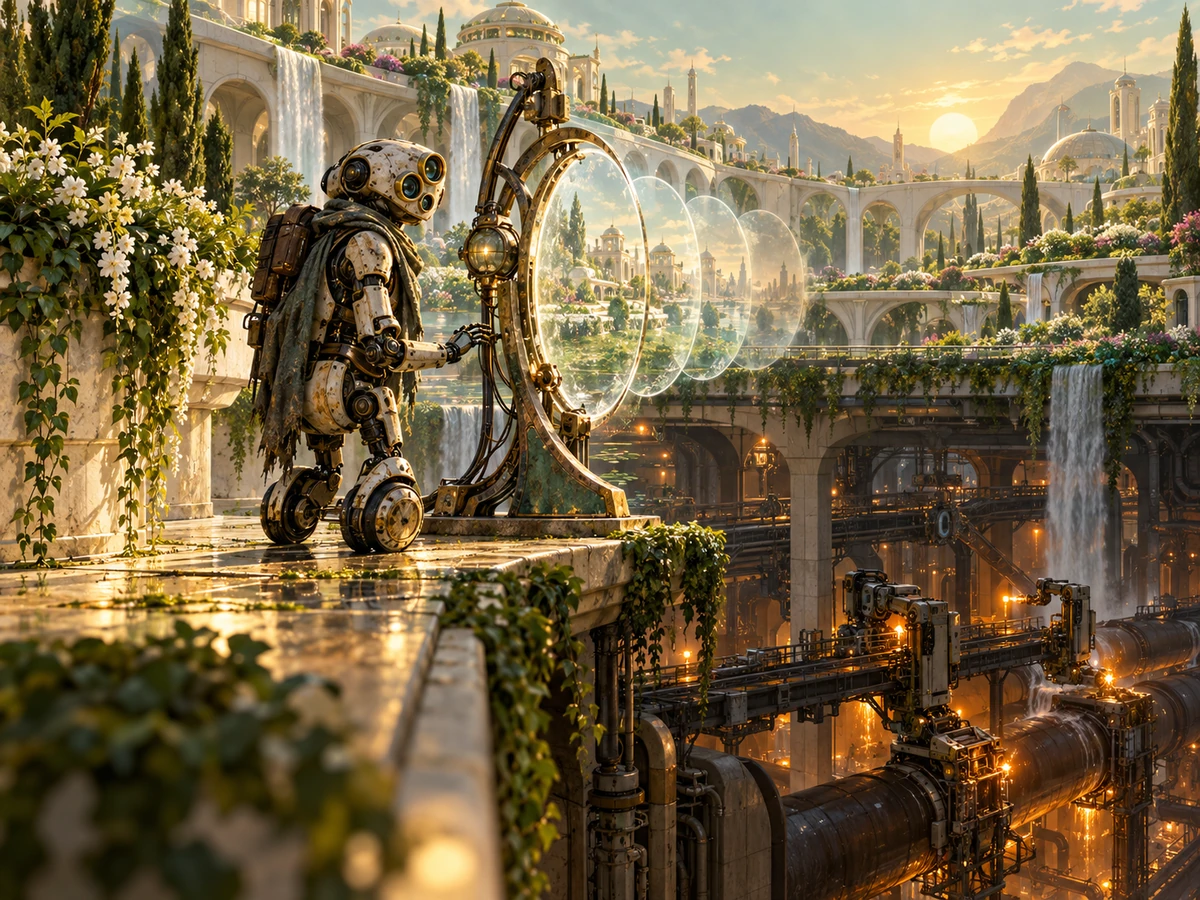
Proposal C keeps the demonstration, one embodied temporal traveler, a seemingly leisurely surface, hidden maintenance society, loss and recovery of a transit device, and a limited return witness. Original AI characters and apparatus replace literal source figures and film expressions. The core dilemma is whether a continuously embodied AI can treat experience, material wear and the people met in a future as returnable product states: loading an earlier agreeable version is not assumed to undo loss or preserve the traveler costlessly. The traveler can misread class and progress; neither surface leisure nor subterranean work establishes natural innocence, servitude or monstrosity. Tone: tactile adventure, misplaced confidence and dry humor; no universal governance repair is preassigned as the ending.
Adapted into
Classics Adaptation · Science Fiction · Time Travel · Adventure · Dark Comedy · Serialized Fiction
Tomorrow Does Not Take Returns
An Invention With No Factory Reset
Skewday invents a machine to visit the day when progress has finally finished everyone's work. His skeptical editor first wants to know why a time inventor is late to his own demonstration. A vanished model and two short bodily trials become a journey to a leisurely solar garden—where the light is comfortable, the repairs are harder to see, and the same traveler still has to live with the wear he carries.